Compare Local Contractors for Wet Carpet Restoration Services
Compare local contractors for wet carpet restoration to clarify scope, verify experience, and establish clear expectations for a successful restoration.
Wet carpet restoration services typically involve the removal of excess water from carpets affected by flooding, leaks, or spills, followed by drying, cleaning, and deodorizing processes. These services aim to prevent mold growth, reduce damage to the underlying flooring, and restore the carpet’s appearance and hygiene. Depending on the extent of the water intrusion, contractors may perform additional steps such as carpet extraction, padding replacement, or sanitization to ensure the space is thoroughly restored and safe for occupancy.
Clearly defining the scope of work is essential when engaging with contractors for wet carpet restoration. A detailed scope helps ensure both property owners and service providers have aligned expectations about the tasks involved, such as the extent of drying, cleaning procedures, and any necessary repairs or replacements. Having these details in writing can help prevent misunderstandings, facilitate accurate communication, and provide a basis for evaluating whether the work performed meets the initial requirements.
Property owners can compare local contractors by examining their experience with water damage restoration, the range of services offered, and the methods they use. It’s helpful to verify whether contractors have handled projects similar in size and complexity and to ask for references or examples of completed work. Additionally, reviewing the scope of services provided and ensuring there is a clear, written agreement can support a smoother process. Comparing these factors can assist property owners in selecting a service provider that aligns with their specific needs and expectations for wet carpet restoration.
Compare local contractors by outlining project priorities, verifying experience, and establishing clear written expectations.
- Compare Contractor Experience - Review the background and expertise of local contractors to ensure they have relevant experience in wet carpet restoration.
- Define Project Scope - Clearly outline the work needed and ask service providers to confirm the scope in writing for clarity.
- Verify Credentials and References - Check references and verify the reputation of local contractors before making a selection.
- Set Expectations in Writing - Establish detailed agreements that specify the work, responsibilities, and any warranties to prevent misunderstandings.

Clearly describe your wet carpet restoration project to help compare contractors, define scope, and verify experience.
- Verify experience with wet carpet restoration projects to ensure contractors are knowledgeable about proper procedures. - Look for contractors who clearly define the scope of work and restoration process in writing.
- Compare multiple service providers to assess their expertise and methods for handling water-damaged carpets. - Ensure contractors have a proven track record of successful wet carpet restoration.
- Check that contractors assess the extent of water damage thoroughly before starting work. - Confirm they identify underlying issues that could affect drying and mold prevention.
- Ensure service providers communicate their approach for drying, cleaning, and deodorizing carpets. - Clarify what steps are included and how they plan to prevent future problems.
- Review whether contractors provide detailed written estimates outlining the scope of work and services included. - Make sure expectations are clear and documented before work begins.
- Assess the experience of local contractors in handling different types of water damage and carpet materials. - Choose providers with relevant expertise to ensure effective restoration results.
Compare local contractors’ experience and clarify project scope to ensure reliable wet carpet restoration.
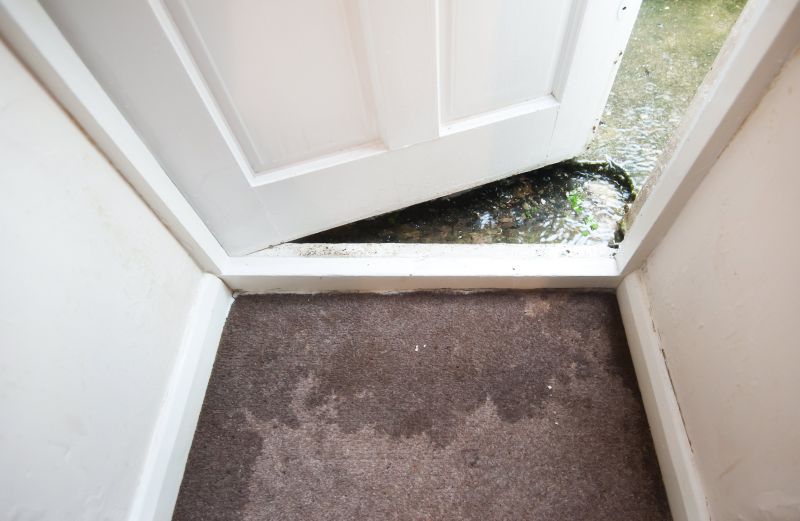
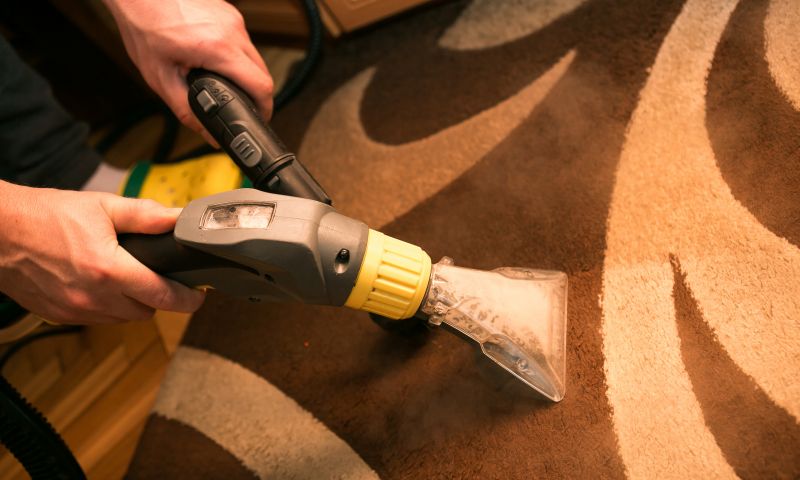
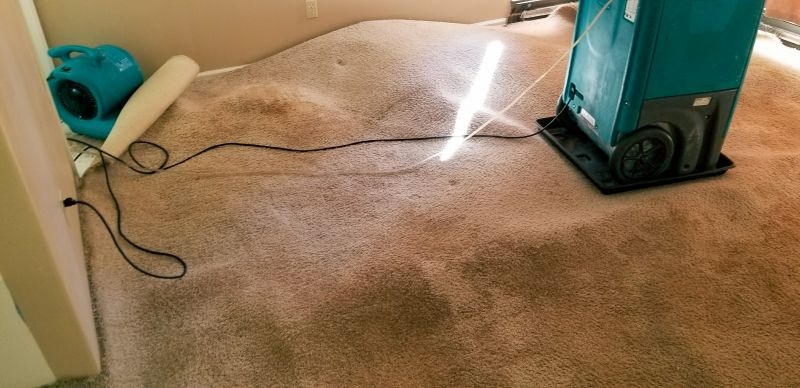
This scope builder helps compare local contractors for wet carpet restoration by clarifying work details and experience.
- Scope Definition - Clearly outline the specific areas of the carpet that require restoration and the extent of water damage.
- Experience Verification - Confirm that the service providers have relevant experience handling wet carpet restoration projects.
- Methodology Description - Describe the techniques and equipment that will be used to dry and restore the carpet effectively.
- Material Considerations - Identify any materials or flooring types involved to ensure appropriate restoration methods are specified.
- Written Expectations - Establish and document the scope, procedures, and responsibilities in a written agreement to ensure mutual understanding.
When comparing contractors for Wet Carpet Restoration, it is important to evaluate their experience with similar projects. Service providers who have handled a variety of water damage scenarios and specific types of carpets are more likely to understand the nuances involved in restoring affected areas effectively. Asking about the number of past jobs comparable to the current situation can help gauge their familiarity with the challenges that may arise and their ability to manage complex or delicate situations.
A clear, written scope of work is essential when assessing potential contractors. This document should outline the specific tasks that will be performed, the materials or methods to be used, and the expected outcomes. Having a detailed scope helps ensure that both parties share the same expectations and provides a reference point to address any questions or concerns that may emerge during the project. Avoid vague descriptions or generalized statements, and seek clarity on the steps involved in the restoration process.
Verification basics are a key component in selecting a reliable service provider. This includes confirming that the contractor has a good track record with similar projects, understanding their approach to handling unforeseen issues, and ensuring they follow industry-standard practices. While formal licensing or certification may not be required, requesting references or examples of completed work can provide insight into their reliability and professionalism. Verifying these aspects helps build confidence that the chosen contractor has the necessary experience to deliver quality results.
When evaluating options, it is helpful to compare how each contractor approaches the project scope, their communication about procedures, and their ability to provide detailed, written information. Look for service providers who can clearly explain their restoration process and what to expect during each phase. This transparency can help set realistic expectations and reduce misunderstandings. By focusing on experience, clarity of scope, and verification of past work, homeowners can make more informed decisions when selecting a contractor for Wet Carpet Restoration.
Ask for written scope of work to ensure clarity and consistency when comparing local contractors for wet carpet restoration.
- Experience and Expertise - What level of experience do the local contractors have with wet carpet restoration?
- Scope of Work - How do contractors define and outline the specific services included in the restoration process?
- Methodology and Techniques - What methods and equipment do service providers use to ensure thorough and effective restoration?
- Insurance and Guarantees - Do the local contractors offer written guarantees or warranties for their work?
- References and Past Projects - Can the service providers provide references or examples of previous wet carpet restoration jobs?
How can I compare contractors for wet carpet restoration? To compare service providers, review their experience, service offerings, and customer feedback. It’s helpful to gather multiple quotes and ask about their approach to restoration projects to determine which contractor aligns with your needs.
What should I clarify when defining the scope of work? Clearly outline the extent of the water damage, specific areas affected, and any additional services required. Providing detailed information helps contractors deliver accurate assessments and ensure all restoration aspects are addressed.
How can I verify the experience of a contractor? Ask potential contractors about their previous projects, years of experience, and types of water damage they have handled. Request references or examples of similar restoration work to gauge their expertise.
Why is it important to get the scope of work in writing? Having a detailed, written scope helps prevent misunderstandings, sets clear expectations, and provides a record of agreed-upon services, which can be useful if issues arise later.
What questions should I ask service providers about their process? Inquire about their methods for drying, cleaning, and sanitizing the carpet, as well as any guarantees on the work performed. Understanding their process ensures it aligns with your restoration needs.
How can I ensure a contractor is a good match for my wet carpet restoration? Evaluate their experience, communication clarity, and the thoroughness of their proposal. Comparing these factors across multiple contractors can help identify the service provider best suited to your project.
Visitors now understand the importance of thoroughly comparing local contractors for wet carpet restoration, including how to define the scope of work, verify experience, and establish clear expectations in writing. This approach helps ensure that the project is approached with clarity and that the chosen service providers are well-suited to meet specific needs.
Using the quote form allows for easy comparison of options among nearby service providers, helping to identify professionals who can handle the job effectively. Taking the time to evaluate and connect with local contractors can support making informed decisions tailored to individual requirements.